Introduction
Breast ultrasound is a safe and painless test. It uses sound waves to create pictures of the inside of your breast. Many people have questions about the breast ultrasound procedure. In this blog, you will learn what to expect, how to prepare, and the main benefits. You will also find answers to common questions about breast ultrasound results. This information is based on trusted sources like the World Health Organization (WHO) and the Centers for Disease Control and Prevention (CDC).
What Is a Breast Ultrasound?
A breast ultrasound is a medical test. It uses high-frequency sound waves to make images of breast tissue. Doctors often use it to look at lumps or changes found during a physical exam or mammogram. Unlike X-rays, this test does not use radiation. Therefore, it is safe for most people, including pregnant women.
Why Is It Done?
Doctors may suggest a breast ultrasound for several reasons. For example, it helps them:
Sometimes, a breast ultrasound is used along with a mammogram for a clearer view.
How to Prepare for Breast Ultrasound
Preparing for a breast ultrasound is simple. Most people do not need to do anything special. However, you can follow these tips:
If you have questions about how to prepare for breast ultrasound, ask your healthcare provider.
What Happens During the Procedure
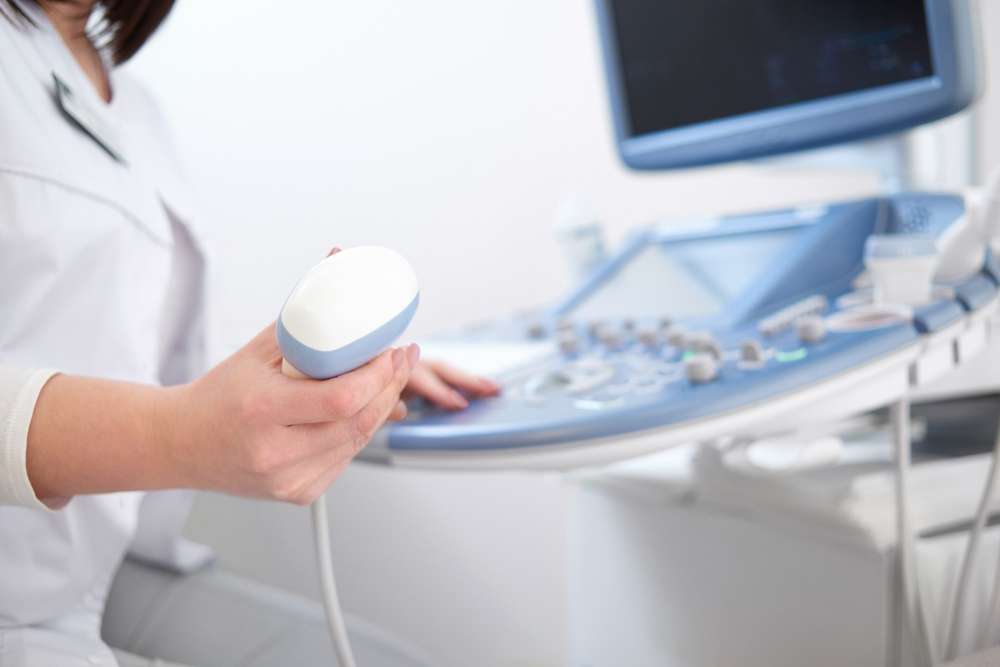
During the breast ultrasound procedure, you will lie on your back or side. A technician or doctor will apply a warm gel to your skin. This gel helps the sound waves travel better. Next, they will move a small device called a transducer over your breast. You may feel slight pressure, but it should not hurt. The test usually takes about 15 to 30 minutes. After the procedure, you can return to your normal activities right away.
Benefits and Risks
Breast ultrasound offers many benefits. For instance, it is:
However, there are a few risks or limits. For example, ultrasound may not detect all types of breast cancer. Sometimes, it may show something that is not a problem, leading to more tests. Still, the benefits of breast ultrasound often outweigh the risks.
Understanding Results
After your breast ultrasound, a doctor will review the images. They will look for any unusual areas or lumps. Your results may show:
Your doctor will explain what the breast ultrasound results mean for you. Sometimes, they may suggest more tests or a follow-up visit.
Frequently Asked Questions
Conclusion
In summary, breast ultrasound is a safe and helpful test. It can give your doctor important information about your breast health. If you have questions about the breast ultrasound procedure or your results, talk to your healthcare provider. Consult Radiant Diagnostic Centre for personalized advice about breast ultrasound.