USG KUB stands for Ultrasound of Kidneys, Ureters, and Bladder. It is a safe, painless scan that uses sound waves to create images of these organs. Knowing the indications for USG KUB helps you understand when this test is needed. Doctors often use this scan to check for urinary problems, kidney stones, or bladder issues. If you wonder when is USG KUB needed or what the reasons for USG KUB are, this guide will help you.
What is USG KUB?
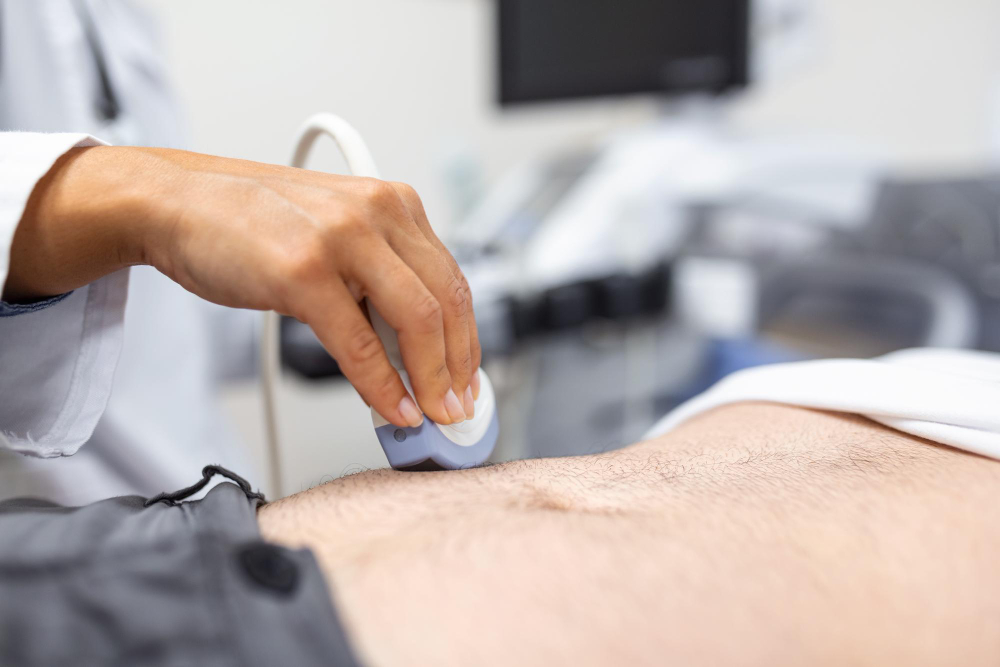
USG KUB is a simple imaging test. It uses sound waves to look at your kidneys, ureters, and bladder. The test does not use radiation, so it is very safe. During the scan, a gel is placed on your belly. Then, a small device called a probe moves over the skin. The probe sends sound waves into your body. These waves bounce back and create pictures on a screen. Because it is quick and painless, many doctors choose this test for urinary problems.
Common Indications for USG KUB
Doctors recommend USG KUB for many reasons. Below are the most common indications for USG KUB:
In some cases, doctors may also suggest a USG KUB for children with bedwetting or for people with high blood pressure that does not improve.
How USG KUB Helps in Diagnosis
USG KUB helps doctors see the size, shape, and structure of your kidneys, ureters, and bladder. For example, it can show if there are kidney stones, swelling, or blockages. It can also detect cysts, tumors, or infections. Because the scan gives real-time images, doctors can quickly spot problems. This makes it easier to decide on the best treatment. In addition, USG KUB can help monitor ongoing conditions, such as chronic kidney disease. Therefore, it is a key tool for diagnosing and managing urinary problems.
What to Expect During the Procedure
Before your USG KUB, your doctor may ask you to drink water. This helps fill your bladder, making it easier to see on the scan. You will lie on a table during the test. A gel will be spread on your lower belly. Then, the technician will move a probe over your skin. The scan usually takes 15 to 30 minutes. You will not feel pain, but you may feel a little pressure. After the test, you can return to your normal activities right away. No recovery time is needed.
When to Consult a Doctor
If you have any of the following symptoms, you should talk to a doctor about a possible USG KUB:
Early diagnosis can help prevent serious problems. If you live in a city or region with easy access to healthcare, you can ask about USG KUB in your area.
Conclusion
USG KUB is a safe and useful test for many urinary problems. It helps doctors find the cause of symptoms and plan the right treatment. If you have symptoms or concerns, consult Dr. Kunj Doctor for personalized advice.