What is an MRI Brain?
An MRI Brain is a special scan that uses strong magnets and radio waves to create clear images of your brain. Unlike X-rays, an MRI Brain scan does not use radiation. Instead, it helps doctors see inside your head safely. Many people have questions about what happens during a brain MRI. This scan is painless and gives doctors important information about your brain’s health.
Why is an MRI Brain Performed?
Doctors order a brain MRI scan for many reasons. For example, it helps find the cause of headaches or seizures. Sometimes, it checks for tumors, strokes, or infections. In addition, an MRI Brain can show changes after an injury. Your doctor may also use it to track brain diseases over time.
How to Prepare for an MRI Brain
Preparing for an MRI Brain is simple. First, tell your doctor if you have any metal in your body, such as pacemakers or implants. Metal can affect the scan. Next, remove jewelry, watches, and hairpins before the test. Sometimes, you may need to change into a hospital gown. Usually, you can eat and drink as normal unless your doctor says otherwise. If you feel nervous in small spaces, let your doctor know. They may give you medicine to help you relax.
What Happens During the MRI Brain Procedure?
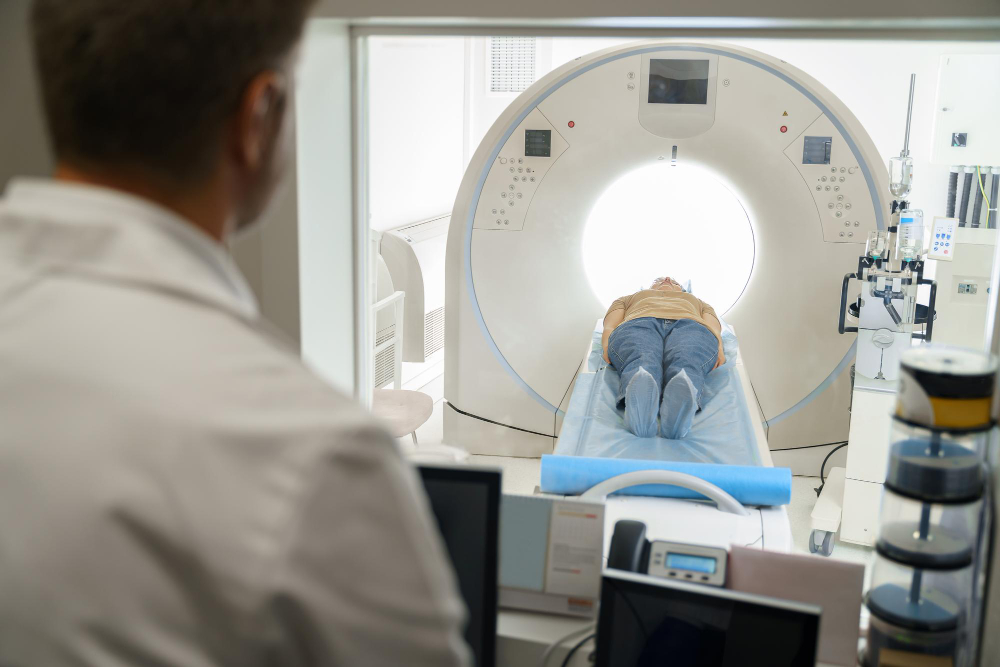
During the MRI brain procedure, you will lie on a table that slides into a large, tube-shaped machine. The technologist will help you get comfortable. For best results, you must stay very still. The machine makes loud tapping or thumping noises, but these are normal. You may get earplugs or headphones to reduce the noise. Sometimes, a contrast dye is used to make images clearer. If so, a nurse will inject it into your arm. The scan usually takes 30 to 60 minutes. Afterward, you can go home and return to your normal activities.
Safety and Risks of MRI Brain
Overall, MRI Brain scans are very safe. Unlike CT scans, they do not use radiation. However, there are a few things to keep in mind. People with certain metal implants, such as pacemakers, may not be able to have this scan. The contrast dye is safe for most people, but rarely, it can cause allergic reactions. According to the World Health Organization (WHO), MRI is safe for most patients when proper guidelines are followed. If you are pregnant or have kidney problems, tell your doctor before the scan.
Frequently Asked Questions about MRI Brain
Key Takeaways
Consult a radiologist at Radiant diagnostic center for personalized advice about MRI Brain scans.