
Introduction
An MRI shoulder scan is a safe, painless test. It uses strong magnets and radio waves to create detailed images of your shoulder. Doctors often use this test to find the cause of pain or injury. Because MRI does not use radiation, it is safe for most people. Understanding what to expect from a shoulder MRI can help you feel more at ease. This guide explains the process, preparation, and what your results may show.
When is a Shoulder MRI Needed?
Doctors may suggest a shoulder MRI for many reasons. Often, it is used when other tests, like X-rays, do not give enough information. For example, you may need an MRI shoulder scan if you have:
Sometimes, your doctor may order a shoulder MRI to plan surgery or check healing after treatment. According to the CDC, MRI is helpful for finding soft tissue injuries that X-rays cannot show.
How to Prepare for a Shoulder MRI
Preparing for a shoulder MRI is simple. Still, you should follow a few steps to make the process smooth:
Most people do not need to stop eating or drinking before a shoulder MRI. However, always follow your doctor’s instructions.
The MRI Shoulder Procedure: Step-by-Step
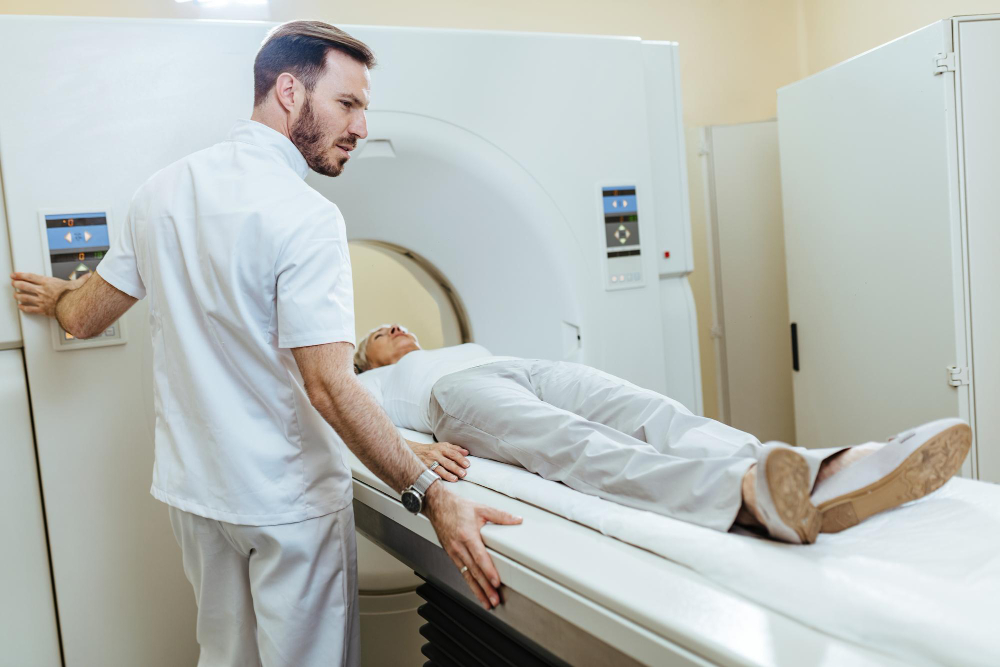
Knowing what to expect from a shoulder MRI can ease your worries. Here is a step-by-step look at the typical shoulder MRI procedure:
Because the MRI shoulder scan does not use radiation, it is safe for most people.
What Does an MRI Shoulder Show?
A shoulder MRI gives clear images of bones, muscles, tendons, and other soft tissues. For example, it can help find:
With these details, your doctor can make a better diagnosis. This helps guide your treatment plan. According to the WHO, MRI is one of the best ways to see soft tissue injuries.
Risks and Safety of Shoulder MRI
For most people, a shoulder MRI is very safe. Unlike X-rays or CT scans, MRI does not use harmful radiation. However, there are a few things to keep in mind:
Overall, the benefits of a shoulder MRI usually outweigh the risks. Always talk to your doctor about any concerns.
After the MRI: Understanding Your Results
After your MRI shoulder scan, a radiologist will review the images. Then, they will send a report to your doctor. Your doctor will explain the results and what they mean for you. Sometimes, you may need more tests or treatment based on the findings. If you have questions about your shoulder MRI results, ask your doctor for more details.
Frequently Asked Questions
Conclusion
In summary, an MRI shoulder scan is a safe and helpful way to find the cause of shoulder pain or injury. It gives clear images that help your doctor plan the best treatment. If you have questions or concerns, consult Kunj Doctor or a radiologist for personalised guidance and clarity on your results.